I was surprised by how well it integrated and how easy it was to use. With a single prompt, the whole playtest process was executed end-to-end and the final result was a voice-over recorded video along with a summary, my favorite type of feedback!
automate playtesting 🙋, find issues 🐛, and ship faster 🎮
Test design
AI generates the playtest cases, covering both functional QA and how the game feels to play.
QA-PLAN.mdReal people
We recruit vetted players to test your game and send back real human player insight — session notes, ratings, and quotes you can act on.
Findings
AI analyzes playtest footage and automatically detects and flags bugs, catching what human playtesters might have missed.
Automation
Every playtest session automatically turns into tests, and QAping automatically runs the full end-to-end suite — so it catches regressions and runs smoke tests on every change, without any extra setup.
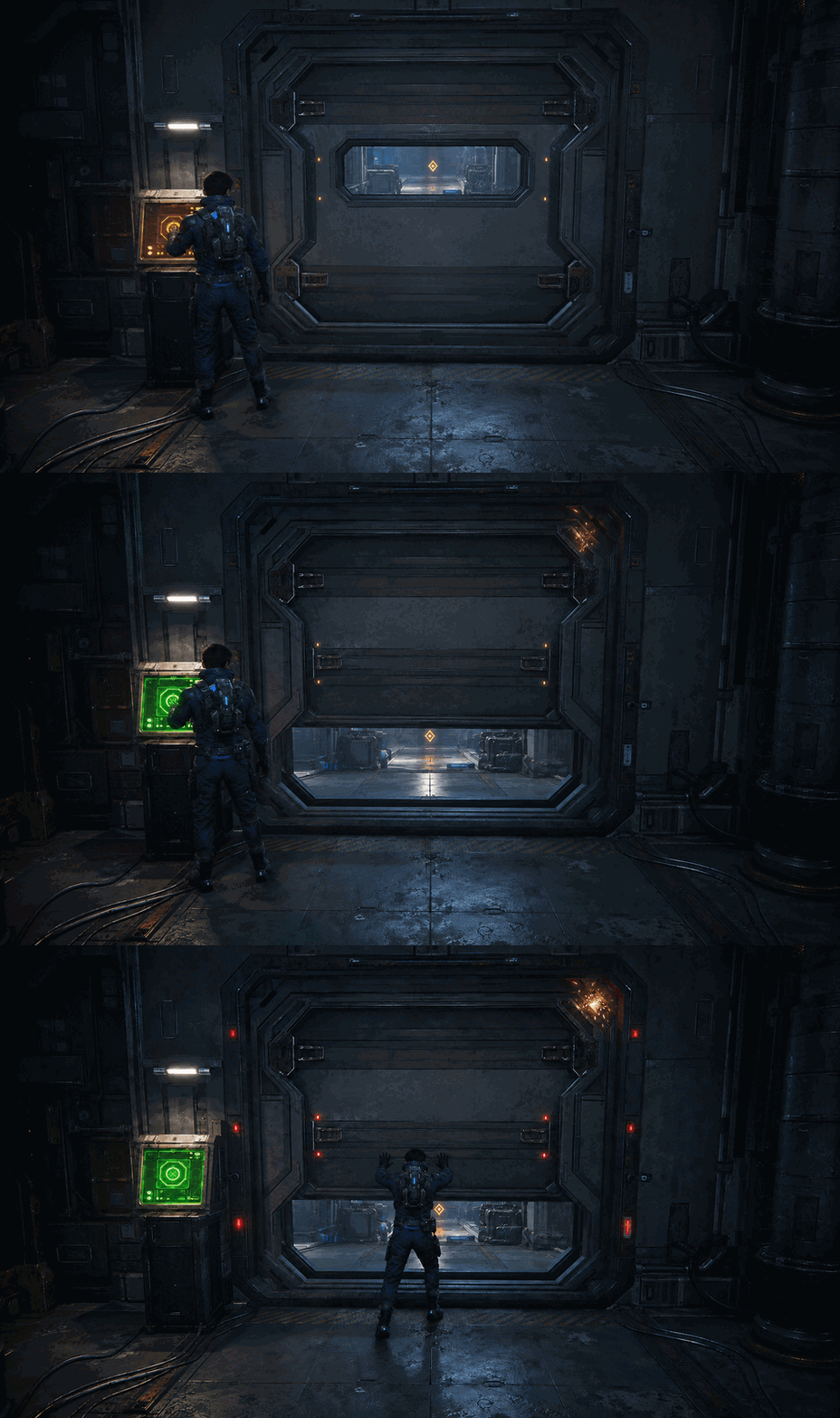
test_door_unlocks_on_keycard_pickupYou changed five files. Any one of them could cause a regression — or worse, make the game unplayable. Normally that means replaying it yourself or rounding up playtesters. We make that simple and automatic, testing the edge cases you wouldn't think to check.
Tested by qaping
What developers say after running qaping on their game.
I was surprised by how well it integrated and how easy it was to use. With a single prompt, the whole playtest process was executed end-to-end and the final result was a voice-over recorded video along with a summary, my favorite type of feedback!
Really easy to use and surprisingly useful. I especially like the dashboard: having the key stats and player behavior available instantly makes it much easier to understand what’s happening during a playtest and spot issues quickly.
See pricing for solo developers, indie studios, and enterprise teams.
Best for trying out qaping
$0/ month
Best for solo devs and small teams
$50/ month
Everything in Free and:
Best for studios with a QA pipeline
Custom
Everything in Indie and: